
Will Our Writing Survive AI?
Surviving AI Contamination Substack post from @islandsofthefuture, the Substack I started for my novel in progress.
I feel I am being contaminated by AI. Two years ago, I was hired to train it for one of the top tech companies in the world. They didn’t offer much, but I said I was very good and very fast, and they agreed to pay me three times what they were paying other people. And they did good. I was the fastest in my team, and very efficient, but it was draining work. The underqualified people they could afford were evaluating AI responses incorrectly. When I had to supervise their work, if I marked these errors, the system did not accept the result. After various persons had worked on a task, if I said that the AI was wrong and the other evaluators were wrong, my work was considered incorrect. So I had to say, for example, that mistaken mathematical calculations were correct.
The work was so exasperating, with the addition that, because the hiring company was in Europe, I had to start working at 6 am every day in order to get the most tasks and therefore larger payments. I felt like I was feeding the beast that had taken much of my previous work, feeding the monster the trash and banality and falsehoods that I despised in online content, whether written by AI or not. I wrote angry and erotic poems while I was in my library, naked with my laptop, feeding the beast 16 hours per day for 45 euros per hour. And then, of course, I realized that I had worked against myself because nobody was hiring me to write articles or edit books anymore. Everybody was using the beast.
Fast forward two years, and I found myself asking AI to help me find book editing opportunities. This eventually led me to being accepted as an editor on Reedsy. This was a whole new world: three or four client requests per week to edit books for a decent fee. I was ecstatic after years of struggling financially due to technological changes. But my happiness didn’t last very long. I realized that most of the clients that wanted to hire me, and still want to hire me, were writing their own books, poetry and memoirs with AI.
In the beginning, because I didn’t know how much work there would be, I would make offers to every writer. But after trying to edit the poetry of a man who insisted he had only used AI “for brainstorming” and delivered a book of poems that, as they say in Portuguese, nobody deserves, I realized what was happening. That book came out as 90% AI in a checker—something I did for fun because I already knew there was no human writing in that book—and that is when I started rejecting AI projects. But if I want to make a living, I can’t reject all of them. I decided that I’d take on the projects where I liked the author or they really had a story to tell, and I also decided to focus more on nonfiction. It hurts the soul a little bit less to edit nonfiction by AI. It’s just work. You fix the sentences and you’re done with it.
In the case of fiction, memoirs and poetry, it’s a whole different story. It’s draining work. And now what is happening is that I edit so many AI books every day of the week, I am terrified that my own prose is being contaminated. How can I preserve my own voice from the slop machine that is like a bulldozer ready to tear down the edifice of everything we are as human writers? I don’t have an answer. All I have is rage and terror.
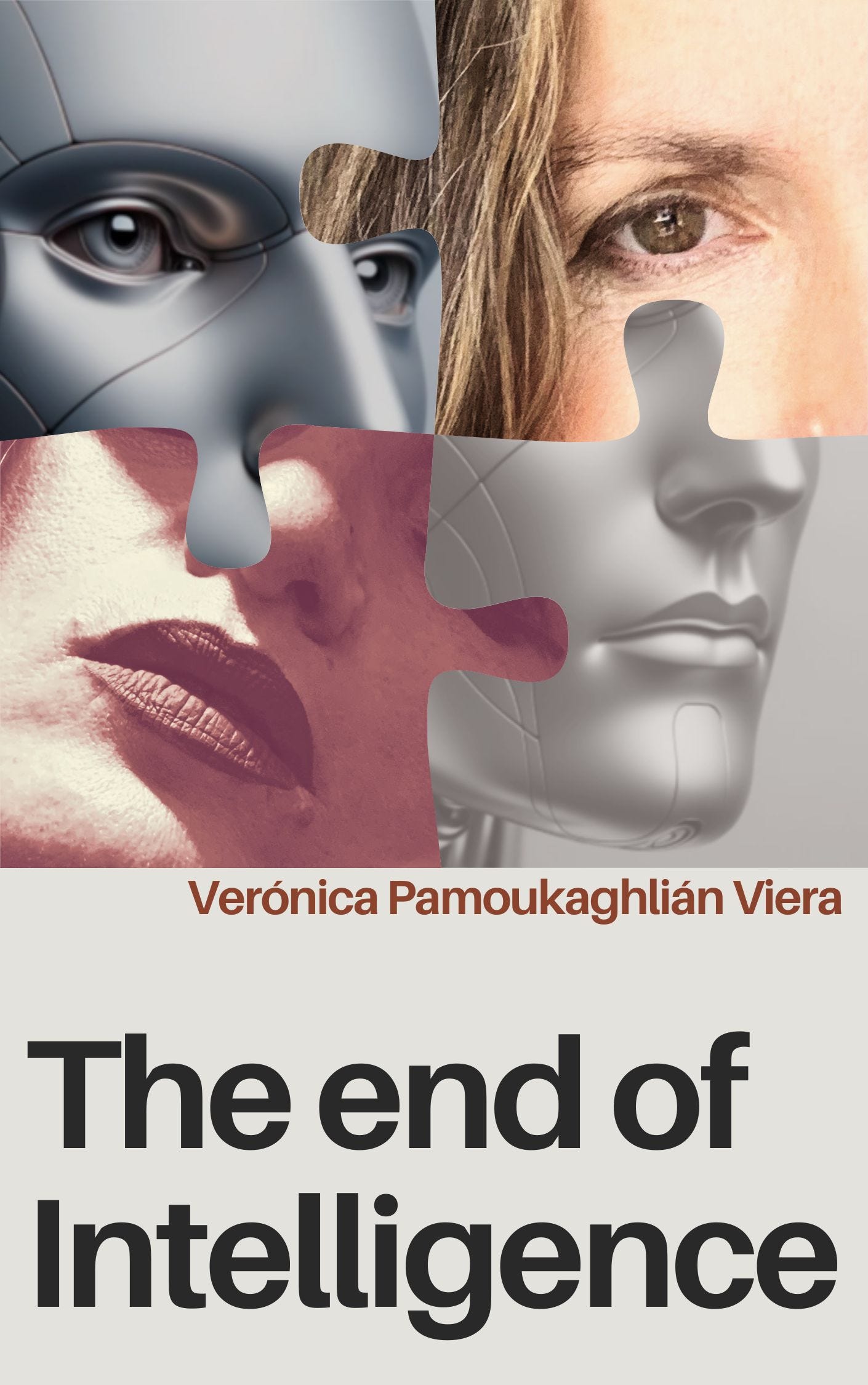
A few days ago, I was in Rio de Janeiro, and I went to a photography exhibition by my friend Andrés Boero. After editing AI slop for weeks and trying to humanize it, looking at Andrés’s magical forests was a solace. I wanted to walk into his forests. I wanted to be inside nature, inside art. I ended up writing some poems about working with the AI authors and another series of poems while I was at the museum looking at Andrés’s images. These came to complement the first poems I had written while training LLMs, leading to a poetry book titled The End of Intelligence.
And though I finished the book, I am still in the trenches. I am still terrified of the cataract of disembodied words drowning us all in its viscous banality. This is the apocalyptic flood I fear more than climate change right now. I am drowning. We are drowning. And I don’t know what can save us.
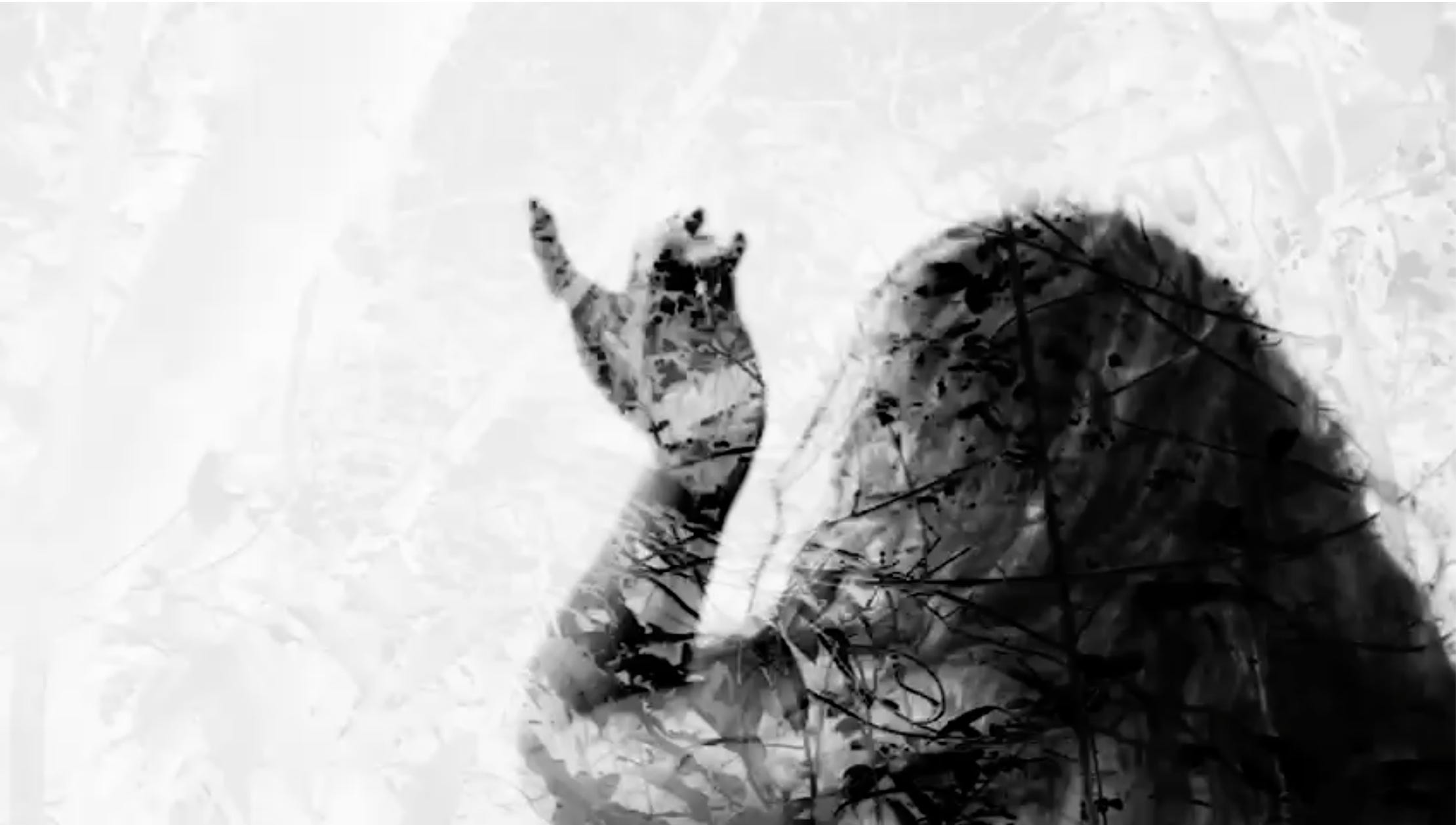
The day after I saw the exhibition, I danced in a forest in Rio while Andres filmed me. We then went to his house and he worked his magic and voila, I was dancing inside his magical monochrome woodland.
Perhaps the answer begins with a forest, and a friend.
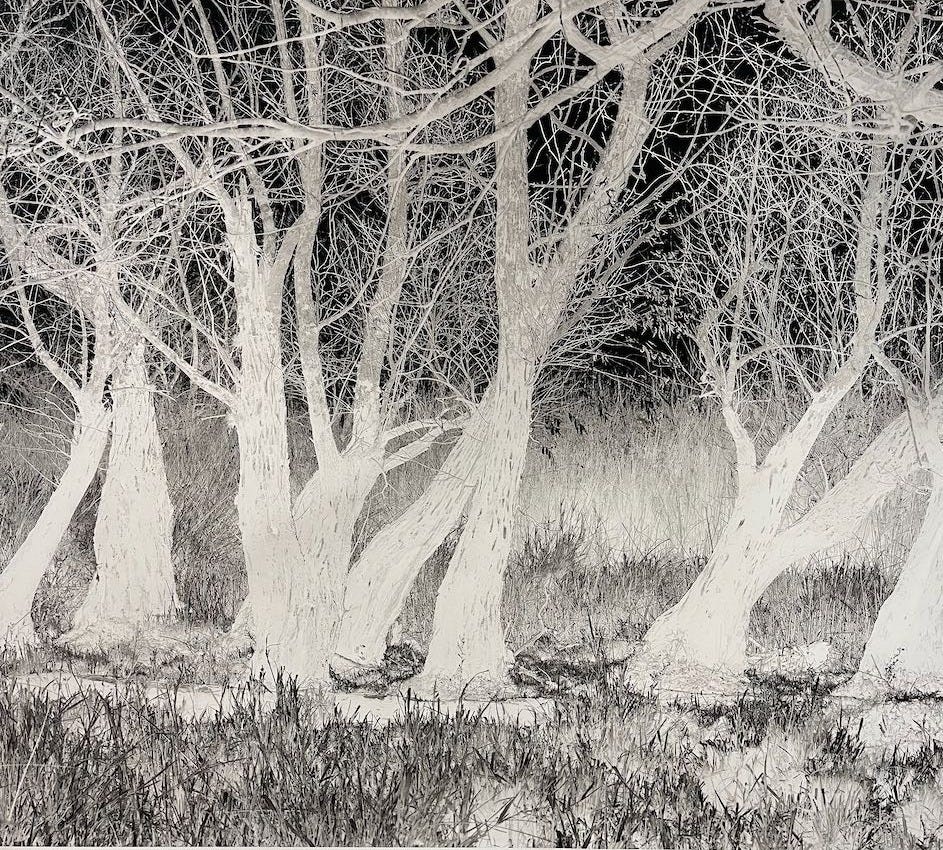
Detail from work by Andres Boero Madrid. Photograph taken at Museu do Inga, Niteroi, Rio de Janeiro.
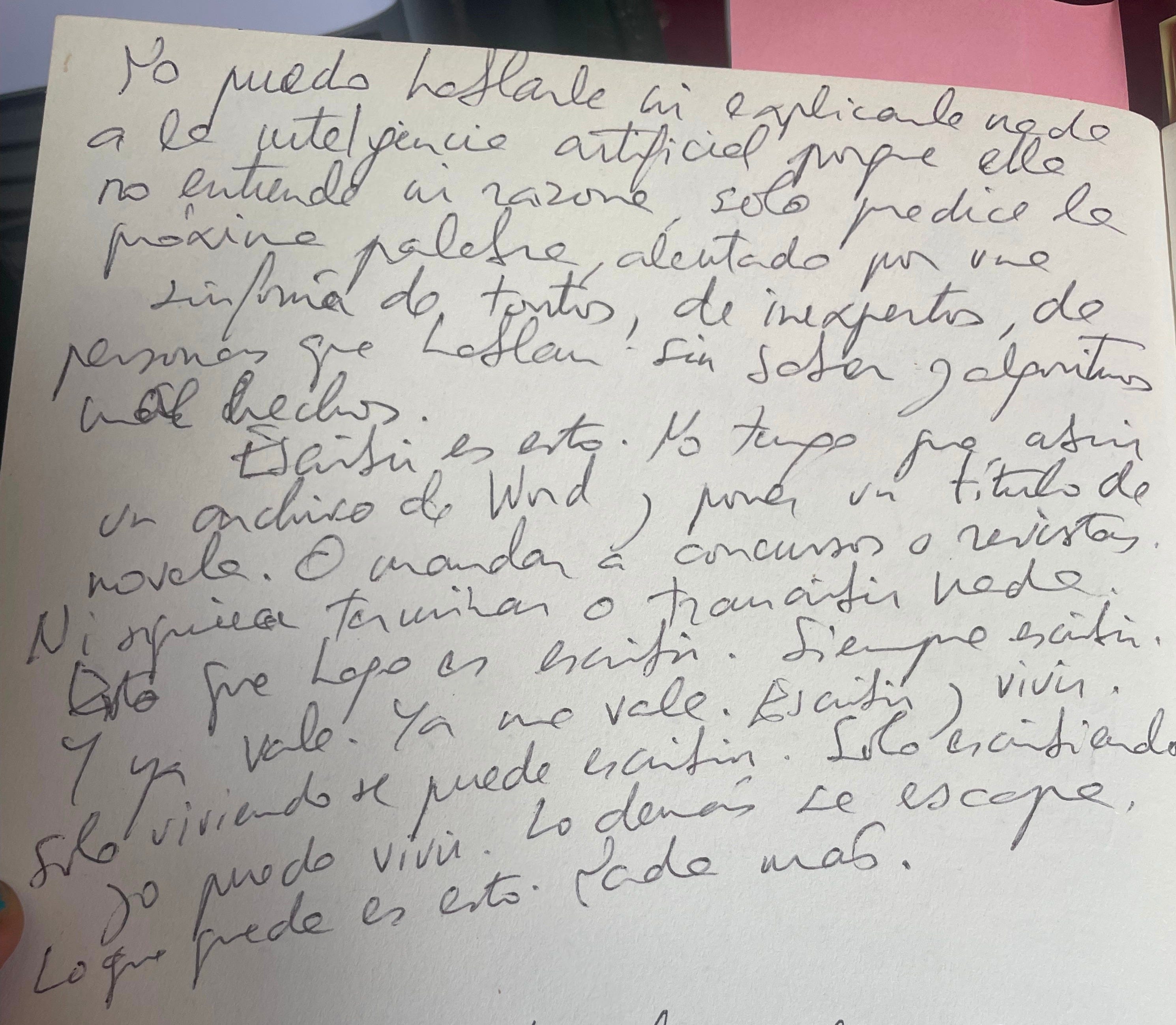
Translation of diary entry
I can’t talk to artificial intelligence or explain anything to it because it neither understands nor reasons. It only predicts the next word, encouraged by a symphony of fools, of incompetents, of people who talk without knowing, and poorly made algorithms.
This is writing. I don’t have to open a Word file and put a novel’s title on it. Or submit to competitions or magazines. I don’t even have to finish or transcribe anything. What I’m doing is writing. I’ve always written. And that’s enough. It’s enough for me. Writing and living. Only by living can one write. Only by writing can I live. The rest escapes. What remains is this. Nothing more.
Featured image: Frame from a video of me dancing. Camera and editing by Andres Boero Madrid.